Introduction to the Music of the 80s
The 1980s were a decade of sharp contrasts and huge hooks. Analog synthesizers, drum machines, gated reverb, and digital studio tools gave pop records a bright, futuristic sheen, while rock bands filled arenas with oversized choruses and guitar heroics. The launch and expansion of music television turned style, choreography, and visual identity into central parts of a hit record's life, making the music video one of the decade's most powerful promotional forms.
At the same time, the charts became increasingly hybrid. Dance music moved from clubs to Top 40 radio, new wave and post-punk aesthetics crossed into pop, R&B and soul vocals powered blockbuster ballads, metal and hard rock became mainstream, and hip-hop began its move from a regional scene into a national commercial language.
Influential 1980s Artists & Bands
The 1980s produced some of the most iconic and innovative artists in music history. These 24 visionaries shaped the decade's sound, from synth-pop and new wave to stadium rock and the emergence of hip-hop. Each brought a unique voice, visual identity, and cultural impact that continues to resonate today. Explore their stories and discover the musical backgrounds that made them legends of the Neon Decade.
MTV: The Revolution That Changed Everything
On August 1, 1981, Music Television (MTV) launched with a simple but revolutionary concept: broadcast music videos 24 hours a day. The first video aired was "Video Killed the Radio Star" by The Buggles, a prophetic choice that signaled the seismic shift about to reshape the music industry. MTV didn't just introduce a new format—it fundamentally transformed how the world consumed, experienced, and understood popular music.
Before MTV, radio was the dominant medium for music discovery and consumption. Artists were heard but rarely seen in a curated, continuous format. MTV changed this overnight, introducing the concept of the "VJ" (Video Jockey) and making the visual presentation of music as important as the audio itself. The music video evolved from a novelty promotional tool into an art form and a necessity for chart success.

The network's early years were dominated by rock and new wave acts—Duran Duran, The Police, Eurythmics, and Depeche Mode received heavy rotation. However, MTV faced significant criticism for its lack of diversity, particularly its reluctance to play videos by Black artists. This changed dramatically in 1983 when Michael Jackson's "Billie Jean" broke through MTV's color barrier, becoming a massive hit on the network. Jackson's groundbreaking video, directed by John Landis, proved that music videos could be cinematic experiences, and his success opened doors for other Black artists including Prince, Lionel Richie, and Whitney Houston.
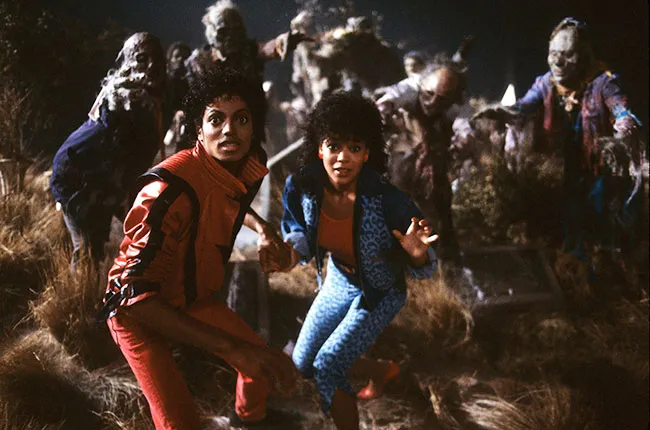
By the mid-1980s, MTV had produced a noticeable effect on motion pictures, commercials, and television production itself. The network's influence over the music industry was being solidified—record labels began investing heavily in music video production, understanding that airplay on MTV could make or break a career. Artists like Madonna, Prince, and Cyndi Lauper built their empires partly through innovative, visually striking videos that generated constant MTV rotation.
MTV's impact extended beyond music into fashion, language, and youth culture. The network became a cultural authority, shaping trends and influencing how young people dressed, spoke, and thought about entertainment. The "MTV generation" became a recognizable demographic, and the network's annual Video Music Awards (VMAs), which debuted in 1984, became major cultural events rivaling the Grammy Awards in cultural significance.
Top of the Pops: Britain's Chart Institution
While MTV was revolutionizing music consumption in America, the United Kingdom had its own iconic music television institution: Top of the Pops (TOTP). Premiering on January 1, 1964, on BBC Television, Top of the Pops became a British cultural phenomenon that would run for over four decades, making it one of the longest-running music television programs in history. The show's simple premise—countdown the week's top-charting singles on the UK Singles Chart—belied its enormous cultural impact on British music and youth culture.
The 1980s were a golden era for Top of the Pops, featuring performances from the decade's biggest stars. The show became a launching pad for new talent and a showcase for established superstars. Artists understood that a Top of the Pops appearance could significantly boost their chart position and commercial success.
Throughout the 1980s, Top of the Pops was presented by a rotating cast of BBC Radio personalities and television presenters. Notable TOTP presenters during this era included Tony Blackburn, Dave Lee Travis, John Peel, Peter Powell, Simon Bates, Richard Skinner, Tommy Vance, Mike Read, Janice Long, Gary Davies, Mike Smith, and Bruno Brookes. Each presenter brought their own style and personality to the show, and many became celebrities in their own right.
The visual presentation of Top of the Pops evolved throughout the 1980s, reflecting the decade's growing emphasis on style and spectacle. The show's set design became increasingly elaborate, featuring neon colors, geometric patterns, and futuristic elements that mirrored the aesthetic of 1980s pop music itself. Today, clips from Top of the Pops episodes are widely available on YouTube and other video platforms, allowing new generations to experience the show's magic and discover the music that defined the decade.
Watch Top of the Pops on YouTube: The BBC and various archivists have uploaded numerous Top of the Pops episodes to YouTube. Search for "Top of the Pops" along with a specific year or artist name to find classic performances. The official BBC Archive channel and dedicated TOTP fan channels offer extensive collections of episodes.
Top 50 Songs by Year
| Rank | Artist | Song | Spotify |
|---|